
Why Is My Heat Pump Making Noise?
Every heat pump makes some sound. A soft hum, a click when it starts and a whoosh during defrost are all part of normal work. But some sounds point to a worn part, an electrical problem or a refrigerant leak. Here is what each sound usually means and when to call.
The Short Answer: Soft Sounds Are Normal, New Loud Ones Are Not
A heat pump that hums, clicks once at start-up, or whooshes and steams during defrost is most likely working fine. Sounds that are new, loud or getting worse are a warning. Grinding, screeching, loud buzzing, banging or a constant hiss usually mean a failing motor, an electrical fault, a loose part or a refrigerant problem. These need a licensed technician. If the unit makes a loud metal sound, buzzes without starting, or smells hot, turn it off at the thermostat and call for service.
Why Heat Pumps Make More Noise Than Furnaces
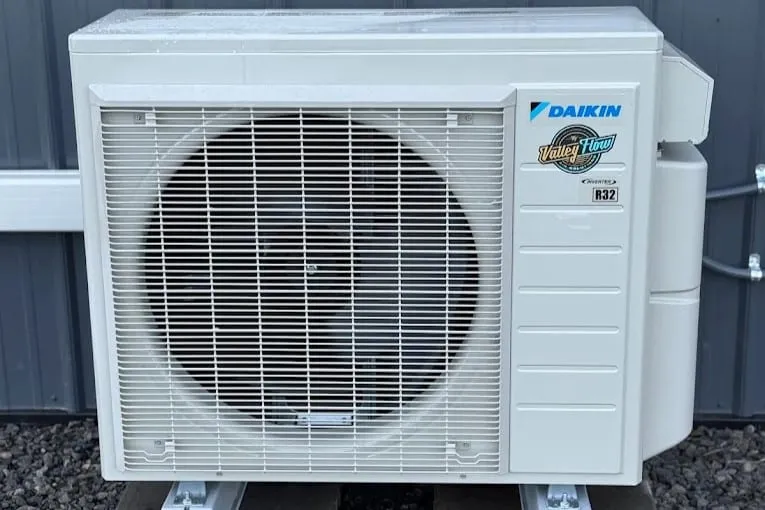
A heat pump has more moving parts working outside your home. The outdoor unit has a compressor, a large fan and a valve that switches the system between heating and cooling. Refrigerant moves through the lines under pressure. All of this makes some sound.
A heat pump also runs for longer stretches than a furnace, so you hear it more often. In winter it goes into defrost mode to melt frost off the outdoor coil. That cycle comes with its own set of sounds, and it surprises a lot of homeowners the first time they hear it.
The key is change. If your heat pump has always made a soft hum, that is its normal voice. If a new sound shows up, gets louder over a few days, or comes with weak heat, that is the time to pay attention.
Heat Pump Sounds and What They Usually Mean
| What You Hear | How Serious? | What It Usually Means |
|---|---|---|
| Soft hum while running | Normal | The compressor and fan doing their job. |
| One click when it starts or stops | Normal | A relay or contactor switching the unit on or off. |
| Whoosh, then quiet, with steam rising outside | Normal | The unit is in a defrost cycle. The steam is melting frost, not smoke. |
| Short gurgle or trickle after it shuts off | Usually normal | Refrigerant settling in the lines. |
| Loud buzzing, or humming with no start | High | Electrical problem, such as a failing capacitor, contactor or motor. |
| Rapid clicking that keeps going | Medium | A control, relay or thermostat problem. |
| Grinding or screeching | High | Worn motor bearings in the outdoor fan or indoor blower. |
| Rattling or banging | Medium | A loose panel, loose part, debris in the fan or a compressor mount problem. |
| Constant hissing or a high whistle | High | Possible refrigerant leak or a pressure problem. |
| Loud clang or a scream at start-up | Urgent | Possible compressor trouble. Turn the system off and call. |
What Each Problem Sound Means
Buzzing or loud humming
A strong buzz often comes from an electrical part. A weak capacitor can leave the compressor or fan humming without starting. A worn contactor can buzz as it struggles to close. Running the unit this way can damage the motor or the compressor.
Grinding or screeching
Metal on metal usually means motor bearings are wearing out. It can come from the outdoor fan motor or the indoor blower. Once bearings fail, the motor can seize and stop the whole system.
Rattling or banging
Panels and screws loosen over years of vibration. Sticks or leaves can also get into the outdoor fan. A deeper bang from inside the unit can point to a loose part in the compressor or worn mounts.
Hissing or whistling
A short hiss can happen when the system changes modes. A steady hiss, or a whistle that does not stop, may mean refrigerant is escaping. Low refrigerant cuts heating and puts stress on the compressor.
Rapid clicking
One click is normal. Clicking over and over can mean a relay, a control board or the thermostat is having trouble. The unit may try to start again and again without running.
Loud whoosh during defrost
When the unit switches into defrost, the reversing valve shifts and refrigerant changes direction. That makes a whoosh and sometimes a short clunk. This is normal. A very loud bang each time can mean the valve is wearing out.
If you hear a lot of defrost sounds and also see heavy ice on the outdoor coil, read our guide on a heat pump freezing up. It explains how defrost works and what thick ice means.
What a Technician Does About It
A technician starts by listening to the system run and finding where the sound comes from. Then they test the parts most likely to cause it. That often includes:
- Testing the capacitor, contactor and wiring for electrical faults
- Checking the outdoor fan motor and indoor blower motor for worn bearings
- Tightening loose panels and parts and checking the compressor mounts
- Checking refrigerant pressures and looking for leaks
- Watching a full defrost cycle to confirm the reversing valve and defrost controls work
- Checking the thermostat and control board when the unit clicks or short cycles
Catching a noisy part early often means a smaller repair. A capacitor or fan motor is a much easier fix than a compressor that has been strained for weeks. Our heat pump repair service covers all major brands, including motors, capacitors, reversing valves, defrost controls and refrigerant leaks.
Leave the inside of the unit to a licensed pro. Do not open the outdoor unit or the air handler, or try to reach the fan. Capacitors can hold a dangerous charge even with the power off, and the fan can start without warning. Refrigerant work requires a licensed technician. If the unit buzzes, bangs, screeches or smells hot, turn it off at the thermostat and call.
When a Heat Pump Noise Is Urgent
Some sounds can wait for a scheduled visit. Others mean the system should be turned off now to protect the compressor, which is the most important part of a heat pump. Call right away if:
- The unit buzzes or hums but the fan does not spin
- You hear grinding, screeching or a loud metal clang
- There is a steady hiss or whistle from the unit or the lines
- The noise comes with a burning or hot electrical smell
- A breaker trips more than once
- The noise starts and the house stops heating
If you turn the heat pump off and your home has backup heat, setting the thermostat to emergency heat can keep the house warm until a technician arrives. It uses more electricity, so it is a short-term step.
A Fall Tune-Up Catches Noisy Parts Early
Most worn motors and weak capacitors give warning signs before they fail. A yearly HVAC maintenance visit tests these parts, tightens loose hardware and checks the defrost cycle before the cold months. We serve homes in Silverton, Salem, Keizer, Woodburn, Stayton, Mount Angel and across the Willamette Valley.
FAQs
Is it normal for a heat pump to make noise?
Yes, some noise is normal. A soft hum while running, a click at start-up and a whoosh during defrost are all expected. Steam rising from the outdoor unit in winter is also normal during defrost. New sounds that are loud or getting worse should be checked by a technician.
Why is my heat pump buzzing?
A loud buzz often points to an electrical part, such as a failing capacitor, a worn contactor or a motor that is struggling to start. A buzz with no fan movement can damage the compressor if the unit keeps trying to run. Turn it off at the thermostat and call a licensed technician.
Why does my heat pump make a loud whoosh in winter?
That is usually the defrost cycle. The heat pump reverses for a few minutes to melt frost off the outdoor coil, and the refrigerant changing direction makes a whoosh. You may also see steam. If it comes with a loud bang every time, or the coil stays iced over, have the system checked.
Heat Pump Making a New Noise?
Valley Flow finds the source of heat pump noises and repairs them for homes across Silverton, Salem, Keizer, Woodburn, Stayton and Mt. Angel. Licensed, bonded and insured, CCB# 248792.